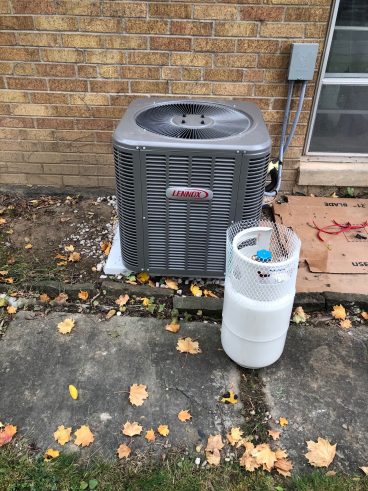
Summer in Ontario can push your home’s air conditioning system to its absolute limits. Waiting until a mid-July heatwave to find out your AC is broken isn’t just uncomfortable—it guarantees you will be paying peak emergency repair rates while waiting days for a technician.
Preventative maintenance is the difference between a system that lasts 15 years and one that burns out in seven. Here is what you need to know to keep your home cool, lower your energy bills, and avoid emergency breakdowns this summer.
What You Can Do: DIY Spring Maintenance
Before you call a professional, there are three essential steps every homeowner should take to prep their system:
-
Change the Air Filter: A clogged filter restricts airflow, which forces the system to work harder and can actually cause the indoor evaporator coil to freeze solid. Swap your filter every 30 to 90 days during peak cooling season.
-
Clear the Outdoor Condenser: Your outdoor unit needs to breathe to dissipate heat. Clear away leaves, twigs, and debris. Trim back any bushes or tall grass so there is at least two feet of clear space around all sides of the unit.
-
Open and Unblock Vents: Walk through your home and ensure all supply and return vents are open and unblocked by furniture or rugs. Closing vents in unused rooms actually disrupts the system’s pressure balance and reduces efficiency.
Warning Signs Your AC Needs Repair
If you turn your system on and notice any of the following, do not wait to see if it fixes itself. Running a struggling AC unit often turns a minor electrical or mechanical issue into a catastrophic compressor failure.
-
Warm or Room-Temperature Air: If the thermostat is set to cool but the air feels tepid, you likely have a refrigerant leak or a failing compressor.
-
Weak Airflow: Barely feeling the air coming out of the vents usually points to a failing blower motor or a frozen evaporator coil.
-
Short Cycling: If your AC turns on, runs for only a few minutes, shuts off, and immediately turns back on, it is “short cycling.” This severely damages the unit and points to electrical issues or an oversized system.
-
Strange Noises: AC units make a steady hum. If you hear squealing (a worn belt or motor bearing), banging (a loose internal part), or buzzing (an electrical fault like a failing capacitor), turn the unit off immediately and call a technician.
Why You Need a Professional Tune-Up
While changing the filter is a DIY job, the mechanical and electrical components of an HVAC system require a licensed expert. Because Longhouse Electric specializes in both electrical and HVAC systems, our technicians check the critical overlap between your home’s wiring and your cooling system.
During a professional tune-up, an expert will:
-
Test electrical connections: A failing capacitor is the #1 cause of summer AC breakdowns. We test and tighten all electrical contacts.
-
Measure refrigerant levels: Too little refrigerant means you have a leak; too much can wreck the compressor.
-
Clean the internal coils: Dust insulates the coils, preventing them from absorbing heat. Professional cleaning restores the unit’s efficiency.
-
Clear the condensate drain: A clogged drain line will cause water to back up and flood your furnace room.
Don’t Wait for the Heatwave
The best time to service your AC is before you actually need it. Booking a preventative maintenance visit in the spring ensures your system is running at peak efficiency, keeping your home comfortable and your utility bills predictable all summer long.